
Creating a high-performance database starts long before writing SQL. By creating a logical structure for data organization, the future-ready project minimizes redundancy in working. A well-planned database increases application speed, lessens maintenance complexities, and preserves data over time.
Using SQL Server Data Modeling for your database ensures that your database is scalable, secure, and manageable.
What Is SQL Server Data Modeling?
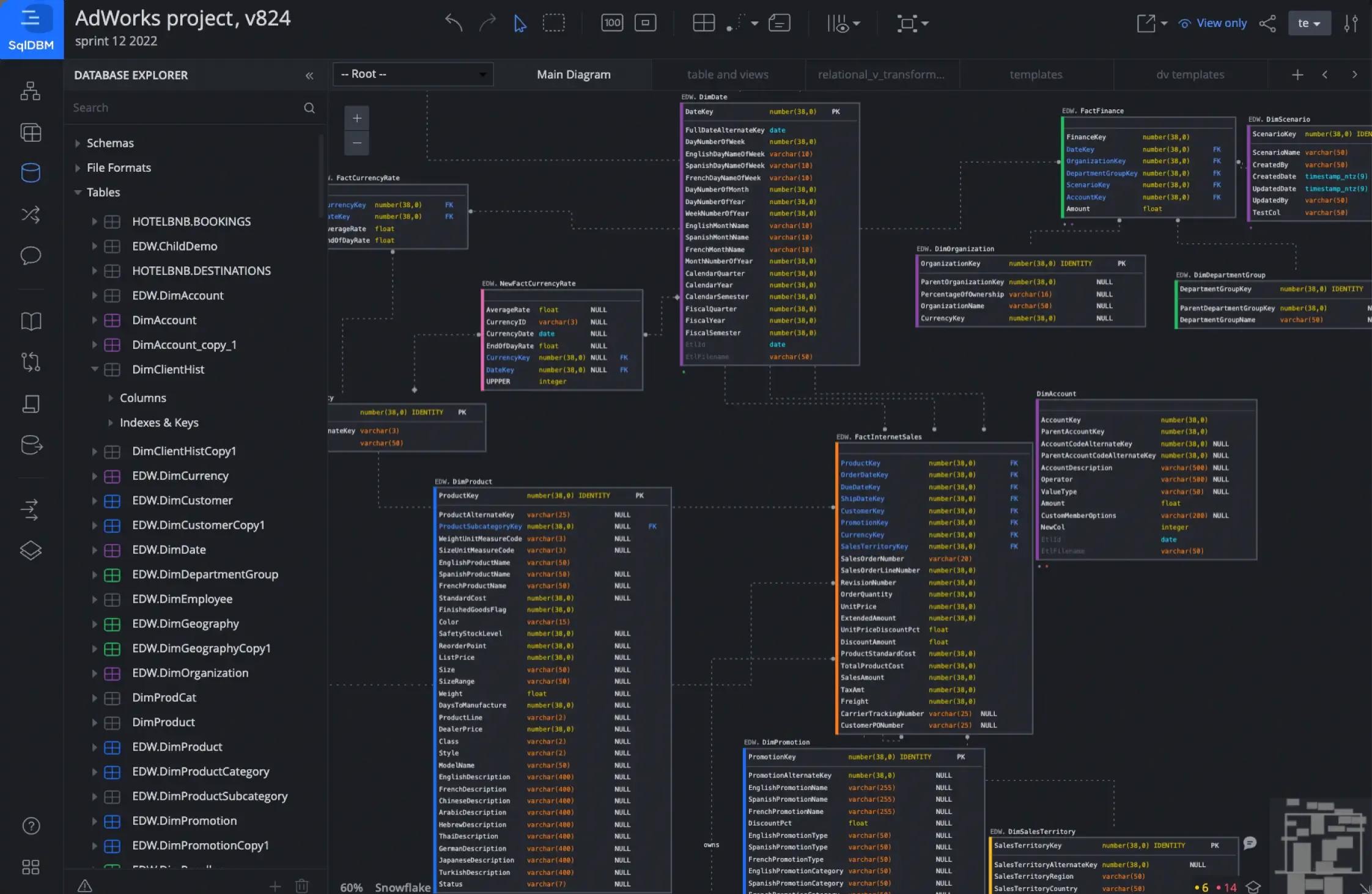
SQL Server Data Modeling refers to the process of creating a design of the database structure. It specifies data storage, table relationships, and the enforcement of business rules.
The process of modeling generally includes:
Establishing business entities
Attributes representing each entity
Establishing links among tables
Defining primary and foreign keys
Enforcing rules and limits
An expert database design SQL model mitigates development challenges and vastly simplifies future enhancements.
Core Components of an Effective Data Model
A successful database is built with a few basic components.
Tables and Entities
Every table record must represent one object only, such as a customer, product, employee, and order.
Relationships
Relationships are bindings used to connect tables logically.
Keys
Primary keys identify a record uniquely, and foreign keys maintain consistency between the two tables.
Constraints
Validation rules make sure that only valid and complete data enters a database.
Best Practices for Database Design
The efficient database design SQL strategy isn’t just about creating additional tables. Best practices lead to clean and maintainable databases.
Understand Business Requirements
Collect requirements in detail before making tables. Each column must support a genuine business requirement.
Choose Clear Naming Standards
Use descriptive names in the database to improve readability. Examples include table names, column names, index names, and constraint names.
Normalize Data Properly
Normalization helps reduce and eliminate duplicate information within a database and ensures proper organization of relationships between datasets with SQL database modeling.
Plan for Expansion
As applications evolve, their database structure should be able to support new features.
Maintain Proper Documentation
Document relationships, naming conventions, and business rules for future development.
Advantages of SQL Database Modeling
Prioritization of SQL database modeling brings long-term benefits to organizations.
Some major advantages are:
Expedited database creation
Enhancement of query efficiency
Improved data uniformity
Simplified problem solving
Simpler reporting
Increased adaptability.
Lower maintenance expenses.
A structured database ensures developers implement new functionality more confidently.
Common Data Models Used in SQL Server
Different SQL database modeling approaches are needed for different stages of development.
Conceptual Model
This high-level model identifies business entities and their relationships with one another.
Logical Model
Through detailed attributes, relationships, and business rules are defined, regardless of the physical implementation.
Physical Model
The final step of the SQL Server Data Modeling process is to map the logical design to SQL Server tables, indexes, constraints, and storage structures.
Every model contributes to a database that is operational and geared for production use.
Tools That Support Efficient Database Modeling
Popular functionality consists of:
Diagrams of entity relationship
The automatic generation of schemas
Back engineering
Comparing databases
Tracking changes
Facilitate team collaboration
These are the capabilities that make communication among developers easier and reduce implementation errors.
Emerging Trends in SQL Database Modeling
Database development is continuously adapting to changes that have come along with cloud technology and automation.
Ongoing trends include:
Schema optimization employing artificial intelligence
Architecture of cloud-native databases
Automated document creation
Deploying a database using DevOps
Relentless schema confirmation
As databases get more sophisticated and larger, organizations can maintain their efficiency without compromising reliability.
Conclusion
Database design forms the basis of a successful application. Investing time in SQL Server Data Modeling will ensure a system that is easier to scale, maintain, and optimize as business changes come in.
Using proven database design choices and the right SQL database modeling techniques helps development teams create dependable databases that support business growth while delivering reliability.
Frequently Asked Questions
What does SQL Server Data Modeling mean?
Structured design determines the database schema before development for organized storage, efficient retrieval, and reliable relationships.
In what way does database design improve application performance?
A well-designed database minimizes unnecessary processing, optimizes queries, ensures better memory storage, and consistently provides quicker application responses.
Which skills are useful for SQL Database Modeling?
Understanding normalization, relationships, indexing, business rules, SQL syntax, and database architecture enhances attack modeling.


Write a comment ...