

Data warehouse modelingprovides a clear structure for organizing data from different sources. A well-planned model makes it easier for teams to store, access, and analyze information without dealing with unnecessary complexity.
A good design usually starts by identifying business requirements, important data sources, and the relationships between different data elements. Tables, dimensions, and facts can then be organized based on how the data will be used for reporting and analysis. This structure helps reduce duplicate data and makes queries easier to manage.
Effective data warehouse modeling can also improve reporting performance. When data is arranged logically, analysts can find the information they need more quickly and create reports with fewer complications. It also helps maintain consistency across dashboards, business reports, and analytical applications.
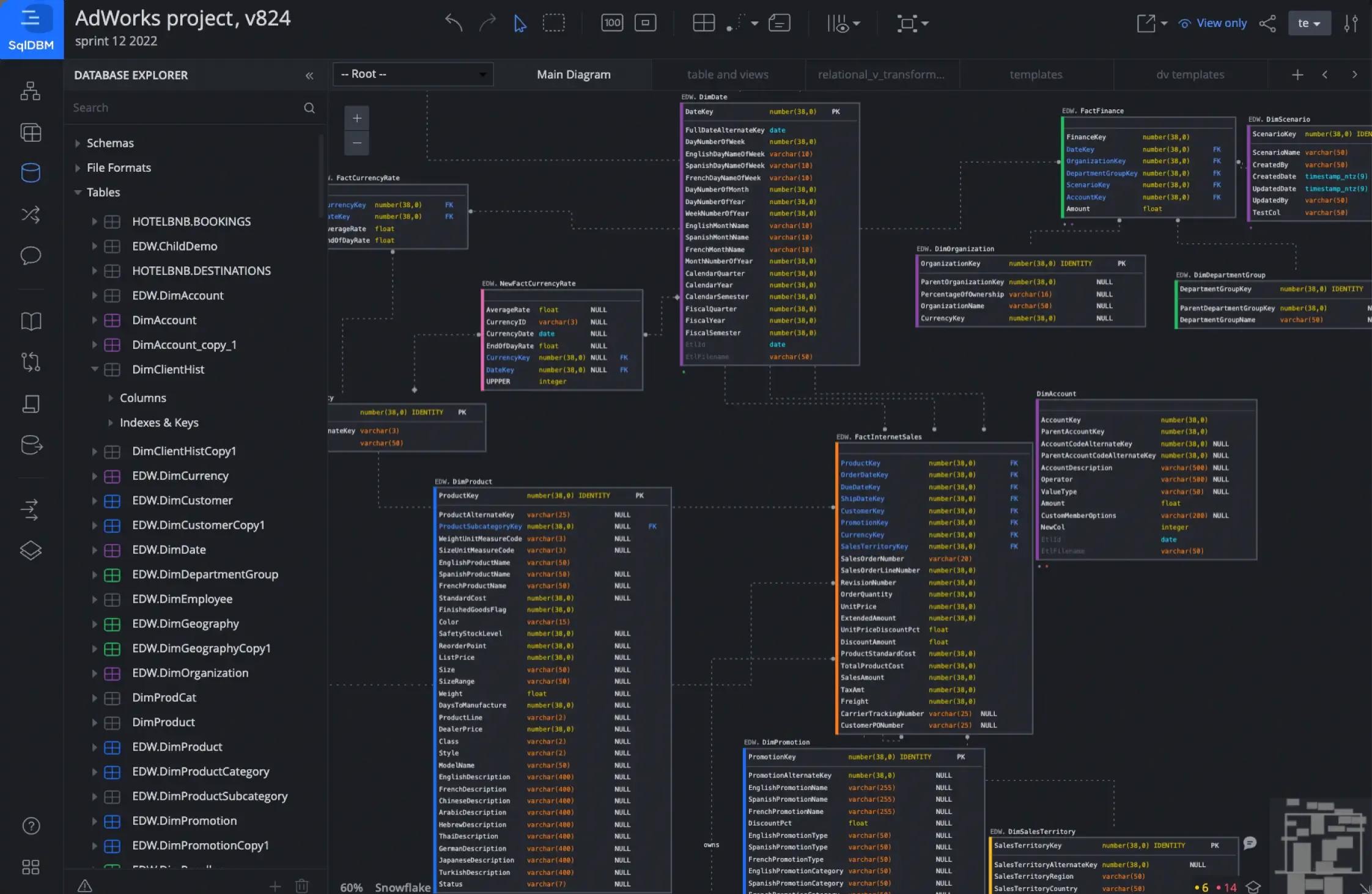
Visual modeling tools can make the design process easier by allowing teams to view tables, relationships, and dependencies in one workspace. This makes it simpler to identify design issues early and communicate database structures with both technical and business teams.
As data volumes continue to grow, having a scalable warehouse structure becomes increasingly important. A thoughtful model can support new data sources, changing business needs, and future analytics projects without requiring major redesigns.
By focusing on clear structures, useful relationships, and business requirements, organizations can build a data warehouse that supports faster analysis, reliable reporting, and better data-driven decisions.

Write a comment ...